
Exploring gambling through the lens of diverse cultural beliefs
The Historical Context of Gambling Across Cultures
Gambling has ancient roots that span across various cultures and civilizations. From the dice games played in ancient Mesopotamia to the intricate card games of Chinese dynasties, the activity has manifested in numerous forms. For instance, the game of Pai Gow, which dates back to the Song Dynasty in China, showcases how gambling was intertwined with social gatherings and cultural practices. This historical context provides a rich tapestry of how gambling evolved and its significance in various societies. Today, many turn to SG Casino to experience online gaming, reflecting the modern blend of tradition and innovation.

Throughout history, gambling has often been seen as a reflection of societal values and norms. In ancient Rome, for example, gambling was a popular pastime among the elite and the common folk alike, often tied to political events and social status. The Romans created games of chance that involved betting on gladiatorial contests, showcasing the intertwining of gambling with the spectacle of life and death. This illustrates that the significance of gambling extends beyond mere entertainment; it often serves as a barometer for understanding cultural attitudes towards risk and reward.
As we explore diverse cultural beliefs surrounding gambling, it becomes clear that these attitudes have shifted over time, influenced by religion, law, and social norms. In some cultures, gambling is embraced and celebrated, while in others, it is viewed with suspicion or outright prohibition. For instance, Islamic cultures generally prohibit gambling, viewing it as haram, or forbidden. This stark contrast highlights how deeply embedded cultural beliefs can shape the acceptance and regulation of gambling practices.
Gambling Beliefs in Eastern Cultures
In Eastern cultures, gambling often reflects deeper philosophical and spiritual beliefs. In China, for instance, gambling is viewed not only as a means of entertainment but also as a way to manifest luck and fortune. Traditional games like Mahjong are commonly played during festivals and family gatherings, representing social bonding and community spirit. The symbolism attached to numbers and the use of Feng Shui in gambling practices further illustrate how cultural beliefs influence the perception of luck in these societies.
Moreover, the concept of gambling in Eastern cultures is often tied to the idea of fate and destiny. Many believe that winning or losing is predetermined, which can lead to a more accepting attitude towards the ups and downs of gambling. This perspective fosters a sense of enjoyment and communal experience, as players gather not only to win but also to share in the thrill of chance together. In this way, gambling becomes a communal activity steeped in cultural significance and social interaction.
Interestingly, the rise of online gambling has also resonated within Eastern cultures, as technology enables traditional practices to evolve. Platforms offering games based on ancient traditions have gained traction, allowing players to engage with their cultural heritage while exploring new avenues of entertainment. This integration of technology with cultural beliefs signifies a dynamic interplay between tradition and modernity in the world of gambling.
The Perception of Gambling in Western Societies
Western societies often exhibit a more ambivalent stance towards gambling, characterized by both acceptance and criticism. In places like Las Vegas, gambling is celebrated as a form of entertainment, attracting millions of tourists each year. The glitz and glamour associated with brick-and-mortar casinos depict gambling as a thrilling escapade. However, this acceptance is often counterbalanced by concerns about addiction and its societal repercussions, leading to a complex relationship with the practice.
Furthermore, many Western cultures have enacted regulations to ensure responsible gambling. These measures reflect a growing awareness of the potential harms associated with gambling. Initiatives like self-exclusion programs and public awareness campaigns aim to educate players about the risks and promote healthier gambling behaviors. This proactive approach showcases a cultural belief in personal responsibility and the importance of safeguarding community well-being.
Within Western societies, there is also a burgeoning interest in online gambling, which has gained popularity due to its accessibility and convenience. Unlike traditional casinos, online platforms offer a diverse array of gaming options that cater to various preferences. The shift towards digital gambling mirrors broader societal trends towards technology and convenience, allowing players to engage with their favorite games anytime, anywhere. This evolution further complicates the cultural beliefs surrounding gambling, as it bridges the gap between traditional practices and modern lifestyles.
The Role of Religion in Shaping Gambling Views
Religion plays a pivotal role in shaping cultural beliefs about gambling, often dictating its acceptance or prohibition. In Christianity, for example, gambling is frequently viewed as morally questionable, with concerns about greed and the potential for addiction. This perspective has influenced various Western societies, leading to an often cautious approach to gambling legislation and cultural acceptance. Many religious groups actively advocate for responsible gaming practices, highlighting the need for a balance between entertainment and ethical considerations.
Contrastingly, in Hindu culture, gambling holds a different place, often being celebrated during festivals. The game of Teerath is traditionally played, emphasizing that gambling can serve as a joyful communal activity. This acceptance is rooted in the belief that fate plays a significant role in gambling outcomes, reinforcing the idea of destiny that permeates many Eastern religions. Such differences in religious views underscore how deeply intertwined spirituality is with cultural attitudes toward gambling.
Interfaith dialogues also reveal the diverse perspectives on gambling within religious contexts. While some faiths outright condemn gambling, others may see it as a potential avenue for community bonding and entertainment. These discussions highlight the complexities of gambling beliefs and practices, illustrating how religion shapes societal attitudes and regulations. Understanding these dimensions is essential for appreciating the cultural intricacies that accompany gambling across different societies.
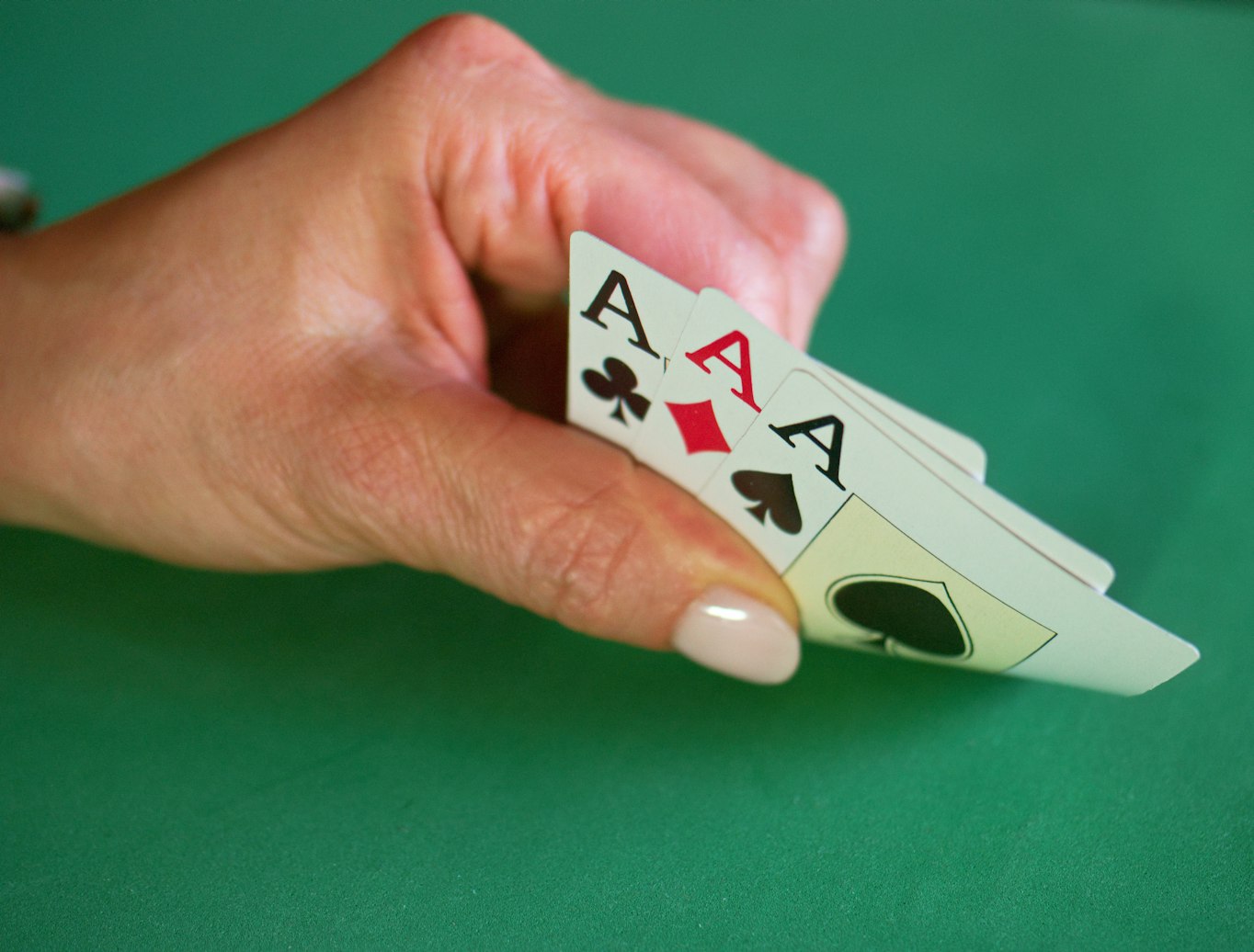
SG Casino: A Fusion of Tradition and Modern Gaming
At SG Casino, we understand the diverse cultural beliefs that influence gambling practices worldwide. Our platform offers a sophisticated online gaming experience that respects and celebrates the rich heritage of gambling traditions. With a comprehensive library of games, players can explore everything from classic casino favorites to innovative new offerings, providing an inclusive environment for all types of players.
Our commitment to safety and fairness is paramount, reflecting the values of responsible gambling that resonate across cultures. SG Casino operates under rigorous licensing and security measures, ensuring a trusted space where players can enjoy their favorite games worry-free. Our dedicated support team is available 24/7, ready to assist players and foster a positive gaming experience.
As we continue to embrace the future of gaming, SG Casino aims to merge traditional gambling elements with cutting-edge technology. Whether players prefer the thrill of brick-and-mortar casinos or the convenience of online platforms, we provide a seamless experience that honors diverse cultural beliefs while ensuring an engaging and rewarding gaming journey. Join us today and discover the ultimate blend of entertainment and cultural appreciation.