
The evolution of gambling A journey through history and culture
The Origins of Gambling
The history of gambling stretches back thousands of years, with its roots traced to ancient civilizations. The earliest evidence of gambling dates to around 3000 BC in Mesopotamia, where clay dice were discovered. These early forms of chance games quickly spread to neighboring cultures, including the Egyptians, who played dice games as well. The use of gambling as a form of entertainment and social interaction was prevalent, indicating its deep cultural significance even in ancient times. Today, sites like www.roospincasinoau.com continue this tradition, providing diverse gambling options for players.
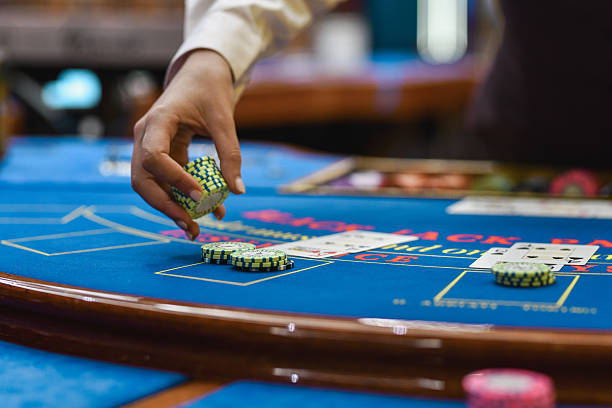
As civilizations developed, so did the complexity of gambling activities. The Chinese introduced betting on the outcomes of events such as games and races around 2000 BC, which laid the groundwork for future betting systems. The advent of cards in the 9th century AD in China marked another pivotal moment in gambling history, leading to card games that would eventually influence various cultures across the globe. This historical narrative illustrates how gambling has been an integral part of human society, evolving to accommodate social norms and cultural practices.
By the time the Roman Empire emerged, gambling had become deeply embedded in its culture. Romans engaged in a variety of games, from dice games to betting on gladiatorial contests. The popularity of gambling during this era also contributed to its integration into social gatherings, where it was viewed not just as a form of entertainment but also as a means of establishing social connections and hierarchies. This historical backdrop highlights the enduring allure of gambling throughout human history.
The Medieval and Renaissance Periods
The Medieval era witnessed a significant shift in gambling practices, largely influenced by the Church’s stance on morality. While the Church condemned many forms of gambling as sinful, the popularity of games such as dice and card games persisted, albeit often in secrecy. The advent of playing cards in Europe during the 14th century brought about a resurgence in gambling activities, leading to the establishment of organized games in taverns and courts. This period marked a pivotal moment where gambling transformed from informal activities to more structured games.
The Renaissance period further revolutionized gambling, as societal changes facilitated a growing acceptance of gaming in various forms. This era saw the emergence of casinos, with the first official gambling house, the Ridotto, opening in Venice in 1638. The Ridotto provided a controlled environment for gambling, complete with regulations that sought to curb cheating and protect players. This transition indicated a shift towards recognizing gambling not only as a vice but also as a legitimate leisure activity.
As European colonization spread across the globe, so too did gambling practices. The introduction of European card games and casino culture influenced indigenous gambling practices in the Americas and beyond. By blending local customs with European traditions, a diverse range of gambling experiences emerged. This cultural exchange showcases how gambling has always adapted to its surroundings, embracing new forms while retaining its core appeal of chance and excitement.
The Rise of Modern Gambling
The 19th century marked a transformative era for gambling, driven by industrialization and urbanization. The establishment of state lotteries provided a legal framework for gambling, generating revenue for public services while catering to the growing public interest in games of chance. The popularity of betting on horse races surged during this time, with organized racetracks becoming prominent venues for gambling. This period not only solidified gambling as a popular pastime but also introduced notions of responsible gambling and regulation.
The invention of the slot machine in the late 19th century heralded another significant evolution in the gambling landscape. This mechanical game of chance quickly gained popularity in bars and saloons, offering a simpler and more accessible form of gambling. With its bright lights and engaging sounds, the slot machine appealed to a broader audience, including those who may not have participated in traditional card or table games. This shift marked the beginning of a new era where gambling became more commercialized and widespread.
By the 20th century, the establishment of Las Vegas as a gambling capital in the United States symbolized the commercialization of gambling on an unprecedented scale. The construction of extravagant casinos and resorts attracted visitors from around the world, offering an immersive gambling experience. The integration of entertainment, dining, and nightlife into the casino experience revolutionized how gambling was perceived, positioning it as a desirable leisure activity. This period solidified gambling’s place in popular culture and set the stage for its global expansion.
The Digital Age and Online Gambling
The advent of the internet in the late 20th century brought about a seismic shift in the gambling landscape. The introduction of online casinos in the mid-1990s revolutionized access to gambling, allowing players to enjoy their favorite games from the comfort of their homes. Online platforms quickly expanded the range of games available, offering everything from classic table games to innovative slots, which catered to diverse preferences. This accessibility transformed gambling into a global phenomenon, appealing to audiences previously excluded from traditional venues.
With advancements in technology, the online gambling experience has become increasingly sophisticated. Live dealer games, which feature real dealers streamed in real-time, offer an immersive experience that closely mimics the ambiance of physical casinos. Additionally, mobile gambling has gained traction, enabling players to access their favorite games on smartphones and tablets. This shift has fundamentally altered how people engage with gambling, emphasizing convenience and personalization.
The rise of online gambling has also prompted regulatory changes worldwide, with various jurisdictions establishing frameworks to govern this burgeoning industry. Issues such as responsible gambling and player protection have become paramount, leading to the implementation of measures aimed at ensuring a safe gaming environment. As online gambling continues to evolve, it remains an integral part of the broader cultural narrative, reflecting changing attitudes towards risk and entertainment in the digital age.
The Future of Gambling Culture
As we look toward the future, the evolution of gambling is poised to continue. Innovations such as virtual reality and blockchain technology are beginning to make their mark, providing exciting new possibilities for immersive gambling experiences and secure transactions. The integration of these technologies could enhance player engagement, making gambling even more interactive and thrilling. Moreover, the focus on sustainability and ethical practices is likely to shape the future landscape, as players and operators alike prioritize responsible gaming.
Globalization will also play a crucial role in the evolution of gambling culture. As different cultures share their unique gambling practices, we can expect to see hybrid models emerge that blend traditional games with modern technology. This cross-cultural exchange may lead to the creation of new games and gaming environments, catering to a diverse audience while fostering a greater appreciation for the rich history of gambling.
Online platforms will likely continue to evolve, offering increasingly personalized experiences tailored to individual preferences. With the rise of artificial intelligence and big data analytics, operators can deliver customized content, enhancing user experience and loyalty. Ultimately, the future of gambling culture will be shaped by a combination of technological advancements, cultural exchanges, and an ongoing commitment to responsible gaming practices, ensuring that this age-old pastime remains relevant in the modern world.

RooSpins Casino and the Online Gambling Landscape
RooSpins Casino represents a modern embodiment of the evolution of gambling, catering specifically to the Australian market. With a vast library of over 3,000 games, including popular pokies and live dealer options, it encapsulates the diversity of the online gambling experience. RooSpins is designed to provide a seamless and engaging gaming environment, combining the thrill of traditional casinos with the convenience of digital access.
The platform prioritizes player security and responsible gaming, implementing robust encryption measures and offering tools to promote safe gambling practices. With tailored banking options that accommodate local payment methods, RooSpins ensures that players can enjoy their favorite games with ease. This focus on creating a safe and enjoyable environment aligns with the broader trends in the gambling industry, emphasizing player protection and engagement.
As the online gambling landscape continues to evolve, RooSpins Casino stands as a testament to the rich history and cultural significance of gambling. By blending traditional gaming experiences with modern technology, it invites players on a journey through time, celebrating the enduring allure of games of chance while embracing the future of entertainment.