
The Thrill of the Chase: Dopamine and Gambling Behavior
The allure of gambling, particularly in a casino setting, is deeply rooted in human psychology. At the core of this fascination is the release of dopamine, a neurotransmitter associated with pleasure and reward. When a gambler experiences a win, or even anticipates one, their brain floods with dopamine, creating a potent sense of excitement and satisfaction. This neurochemical response can be highly addictive, driving individuals to seek out more gambling opportunities in pursuit of that exhilarating feeling, and sometimes they might try to find a site like https://spinimax-casino-au.com/.
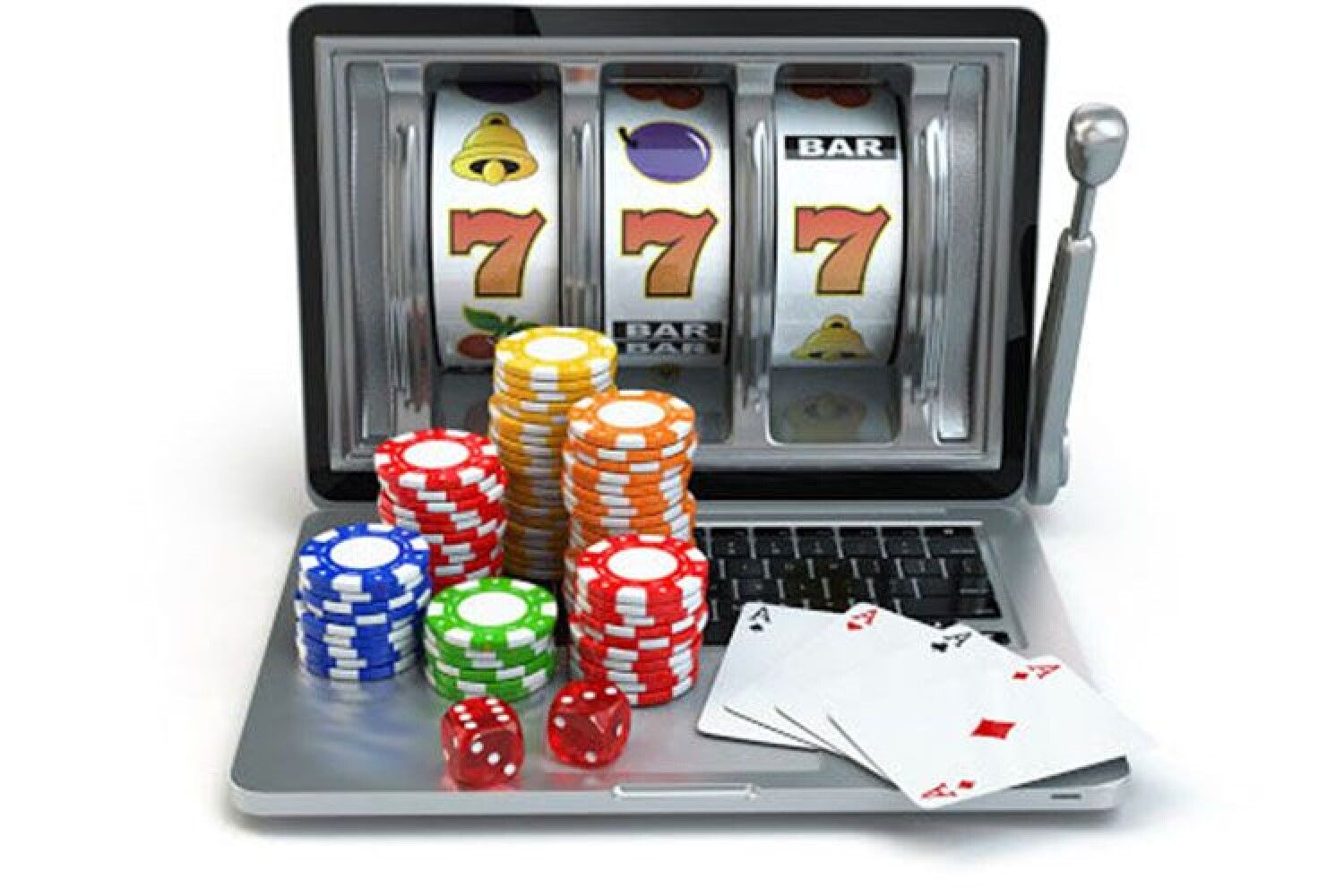
This dopamine feedback loop is a powerful motivator. It’s not just about the monetary gain; it’s the psychological reward of a perceived victory, the mastery over chance, and the fleeting feeling of being in control. This can lead to a cycle where even small wins reinforce the behavior, making the gambler believe they are on the cusp of a significant jackpot, a phenomenon often exploited in the design of casino games. The anticipation of a win is often as powerful as the win itself.
Cognitive Biases: How Our Minds Trick Us at the Casino
Our minds are prone to a variety of cognitive biases that can significantly influence gambling decisions. The “gambler’s fallacy,” for instance, is the mistaken belief that if something happens more frequently than normal during some period, it will happen less frequently in the future, or that, conversely, it will happen more frequently. This is particularly relevant in games of chance like roulette, where players might believe a certain number is “due” to appear after a long streak of other numbers.
Another common bias is the “illusion of control.” Gamblers might believe they have a special skill or strategy that can influence the outcome of games that are purely based on chance, like slot machines. This might manifest in specific betting patterns or rituals. The feeling of control, even if it’s illusory, can make gambling feel less risky and more engaging, further perpetuating the behavior and potentially masking the underlying randomness of the games.
The Social and Environmental Influences on Gambling
The casino environment itself is meticulously designed to foster a sense of excitement and encourage prolonged engagement. Bright lights, loud sounds, free-flowing alcohol, and the constant buzz of activity all contribute to an atmosphere that can amplify the psychological effects of gambling. These sensory inputs can override rational thinking and create a heightened state of arousal, making individuals more susceptible to impulsive decisions and less likely to set limits.
Social factors also play a significant role. Many people gamble in social settings, with friends or family, which can normalize the behavior and create a sense of shared experience. For some, gambling can be a form of entertainment or a way to bond with others. However, this social aspect can also mask problem gambling behaviors, as individuals may be less likely to recognize their own issues when they are surrounded by others who are also participating.
Escapism and Coping Mechanisms in Gambling
For some individuals, gambling serves as a form of escapism, a way to temporarily forget about real-world problems and stress. The immersive nature of casino games can provide a mental break from daily pressures, offering a distraction that feels gratifying in the short term. This can be particularly appealing to those experiencing anxiety, depression, or other forms of emotional distress.
While the immediate relief from worries can feel compelling, using gambling as a coping mechanism is a precarious strategy. The temporary escape often leads to greater problems in the long run, including financial difficulties, strained relationships, and exacerbation of mental health issues. The cycle of using gambling to cope and then facing the consequences of that gambling can become a vicious loop that is difficult to break.

Understanding the Psychology of the Unreachable Casino Site
The context of an unreachable website, such as the one described, introduces an interesting psychological element to the gambling experience. When a gambler intends to access a specific online casino but finds the site inaccessible, a unique set of psychological responses can occur. Initially, there might be frustration and disappointment, disrupting the anticipated pleasure or excitement associated with gambling.
This inaccessibility can also trigger a sense of curiosity or even a heightened desire for the forbidden experience. The inability to access the site might inadvertently amplify the perceived value of the gambling opportunity. Furthermore, for those accustomed to the ease and convenience of online gambling, the sudden unavailability can lead to anxiety about missing out on potential wins or the overall experience, prompting them to double-check the URL or seek alternative platforms, demonstrating the ingrained nature of their gambling habits and the psychological impact of even minor disruptions.